The Book That Took Years to Write—and One Month to Draft
The Book That Took Years to Write—and One Month to Draft
The demands from readers for another book, after I’d just completed my trilogy, left me pretty astonished.
Honestly? I’d never considered another book. I was quite happy with and they lived happily ever after (or at least, the strong implication of it). Another whole book? That sent my brain into a complete spin.
So I ignored it.
I pottered about with life, working on my blog and fumbling my way through advertising — all new, and often frustrating, experiences. But the emails kept coming. So did the comments in reviews. And the prods on my Facebook page (yes, it still exists; no, I don’t update it, because Facebook gouges for business accounts).
Those messages started something ticking over in the background of my mind.
What did happen when they got back?
How would the characters cope?
What would be the logical next steps in that world?
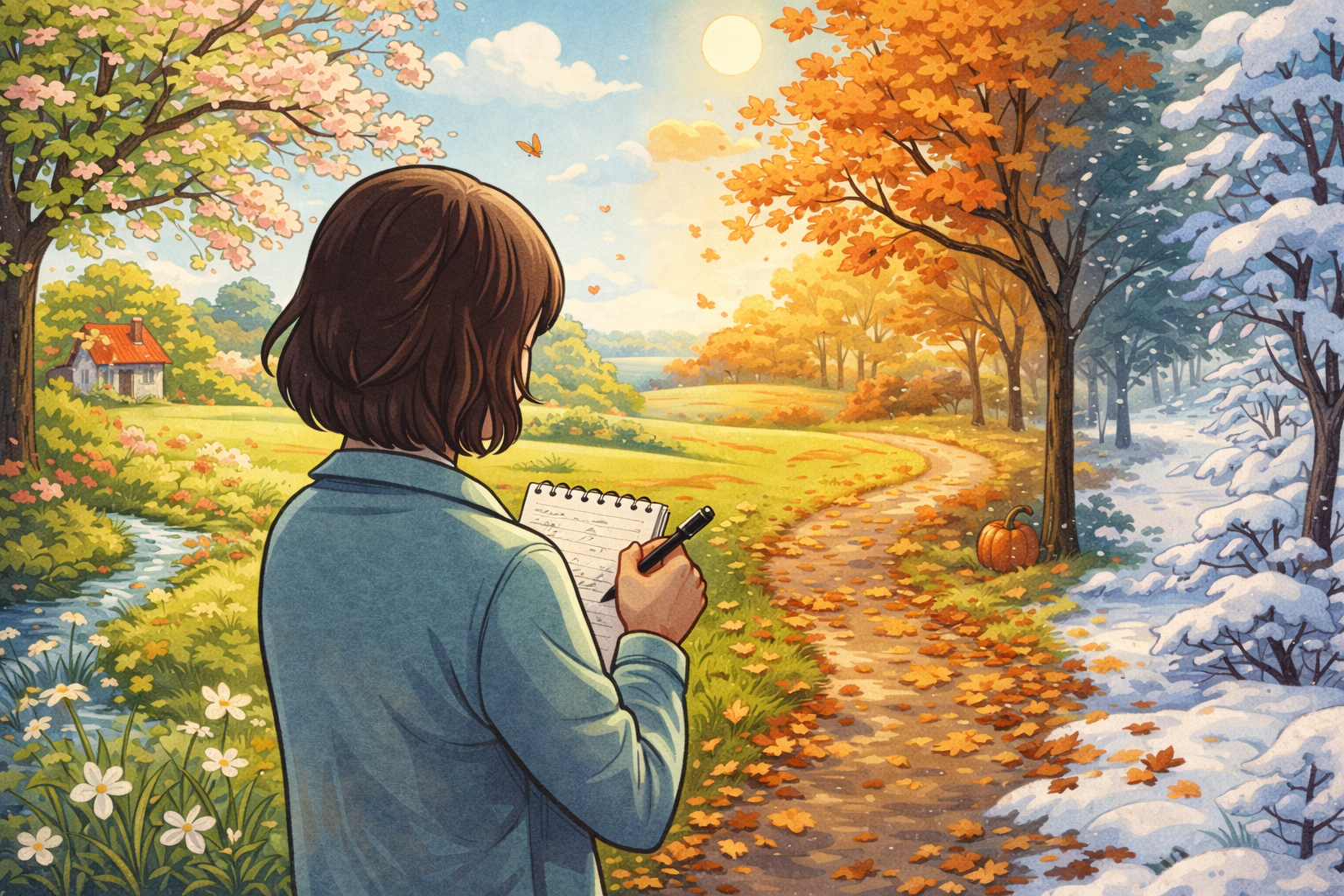
I didn’t sit down to write another novel. Instead, over the course of three years, I pondered. I daydreamed. On long walks, I let music play and my mind drift—which may explain the frequency of my sprained ankles—and I quietly lived the next steps of the story.
At the time, it didn’t feel like writing. There were no word counts. No visible progress. Nothing that looked productive from the outside.
But slowly, almost without noticing, I began to realise something important.
There really was another book there.
And it could be really good.
When I finally sat down to write, those three years of quiet thinking flooded out of me. I wrote feverishly, in a way I’d never experienced before. While working full time, I somehow drafted nearly 160,000 words in a single month.
And there it was.
A thrilling, complete story that I was—and still am—immensely proud of.
Unlike my trilogy, this book didn’t require heavy structural rewrites. The revision process was comparatively gentle. Those years of letting the story percolate had given me such a clear sense of direction that the drafting itself felt almost inevitable.
This taught me something essential about the writing process.
Thinking is not the absence of writing.
Time spent living with a story is not wasted time.
And long-form storytelling often begins long before you ever open a document.
In a world that prizes speed and output, it’s easy to feel pressured to rush—to write for the sake of a release date or external expectations. But some stories need space. They need time to clarify themselves. They need room to become unavoidable.
The absolute truth is this: good things really can take time.
Write when the image in your head is so clear you can’t stop your fingers flying across the keys. The writing will be faster, cleaner, and far more satisfying when it finally arrives.
Earlier in this series:
In The Dreaded Rewrite, I talk about what revisiting a finished trilogy taught me about revision, distance, and seeing your work clearly.
These lessons came from rewriting my BirthRight Trilogy—now available in its newly refined, final form here.